I was the proof of concept.
I found the flaws, the roadblocks, and the technical hurdles, and it cost me major time and money.
Roland Conner opened the second legal cannabis dispensary in New York State, and the first owned by someone the state had convicted of a cannabis offense. Two years later the loan behind it had put the business in default. He had been running businesses for fifteen years before that. Cannabis was a new industry, and there were things in it he didn’t know he didn’t know.
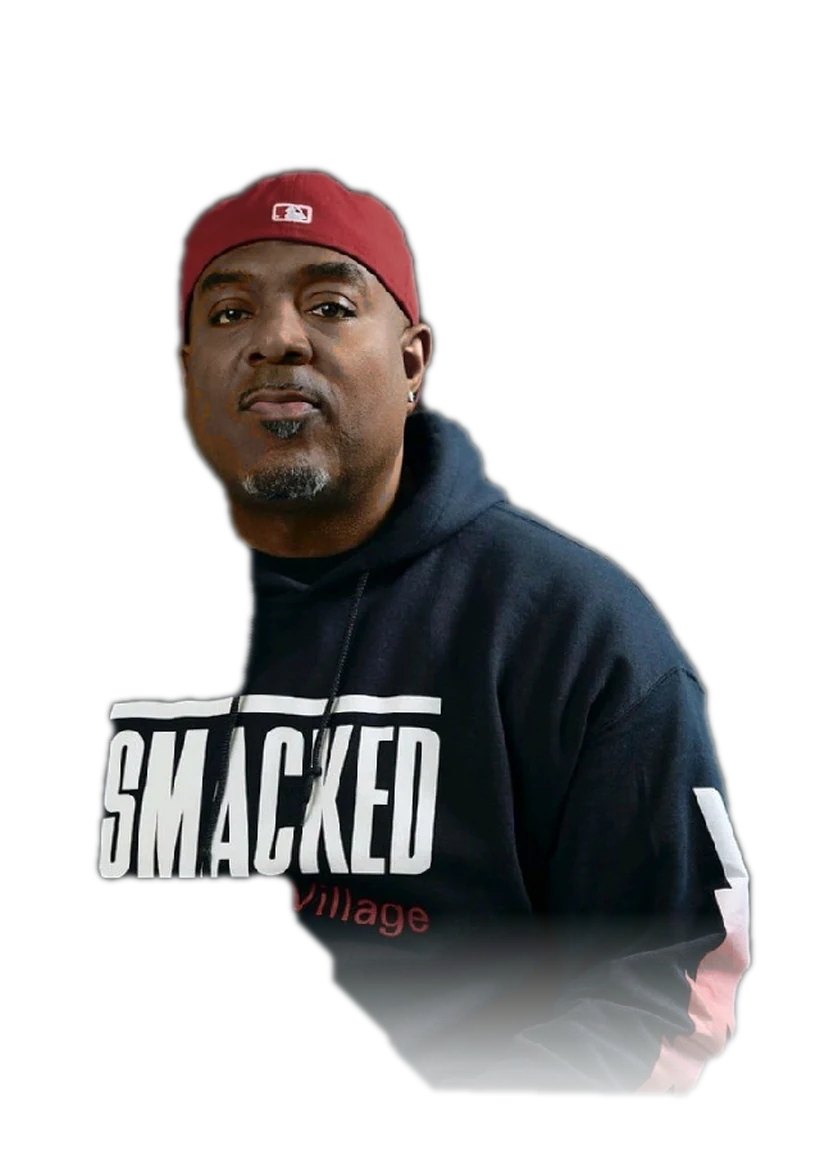
I grew up in public housing in Far Rockaway. I sold cannabis because it was the economy I had access to. In the early nineties the police raided us and I went to jail for it.
Then I spent about fifteen years building legitimate businesses in this city, mostly property management. In 2009 I started Project First Step, a transitional housing program in the Bronx for men coming home. That’s how I learned what a second chance actually takes, which is almost never what people think it takes.
In January 2023 I opened Smacked at 144 Bleecker Street. CAURD license number 23-000002. The second legal dispensary in New York State and the first owned by someone the state had convicted of a cannabis offense. The governor came. Forbes put me on a list. I said that day that I was proof of the state's commitment, and I meant it.
Here is the part that does not make the press release.
The state needed stores open to hit a number, so I was pushed to open as a pop-up in a few weeks instead of waiting for the build to finish. That one decision came with costs nobody put in front of me first. The money that was supposed to come on one set of terms came on much harder terms, over a longer period, and put me on the hook for expenses I never negotiated and mostly couldn’t see.
When I asked for a short period of relief, I was told no. The adjustment I was offered instead raised my monthly obligation. One of the firms working on the opening sued me for its fees. I ended up in default to the fund that had been created to help people like me, and it reserved the right to foreclose.
I want to be clear about the lesson, because the easy version of this story is wrong.
The opportunity was real, and so was the license, the location, the demand, all of it. I had years of experience running businesses. But this was a new industry, and there were things I didn’t know that I didn’t know. Nobody worked out what a rushed opening was going to cost against the debt that had to pay for it, nobody negotiated the big contracts before they got signed, nobody read that loan against the numbers it was going to be repaid from, and there was nobody in the room whose job it was to say wait a minute.
None of that is unusual, it’s the ordinary stuff, and it’s survivable every time as long as somebody is watching for it.
I don’t think an entrepreneur has to know everything. But you do have to know what you don’t know, find the people who do know it, and get them involved before a mistake gets expensive.
I didn’t need one more advisor who knew one thing. I needed somebody to work out what was actually about to break, then put the right specialists on it in the right order, fast enough for it to matter.
That’s what RCAG is, and it’s the thing I didn’t have when I needed it.
Everything I know about this, I learned by paying for it.
There were things I didn’t know that I didn’t know.
Roland Conner, Founder & Principal
Advice from someone who paid for the lesson
Operator-led isn’t a marketing word here, it’s where the judgment comes from. I’ve signed the financing, made payroll under pressure, negotiated with vendors who had all the leverage, sat across from a regulator, and lived with decisions I couldn’t undo. That gives you a feel for which problems are actually urgent, and not much patience for advice that sounds right but nobody can actually carry out.
It also makes you careful about limits. We don’t do regulated professional work, and we’re not a law firm, an accounting firm, or an investment adviser. What we do is work out what a job actually needs and then organize it, which often means saying the next call belongs to an attorney and not to us.
That’s why the professional network exists. No one advisor was going to catch the opening costs, the contract terms, the loan structure, and the day-to-day operations all at once, because those are four different jobs. A firm that tells you otherwise is selling the same story that caused the problem in the first place.
We help business owners figure out what’s really going on, what they may be missing, what needs to happen first, and who they need around them to get it done.
The firm is being built as a general advisory business, not a cannabis consultancy. The method works anywhere an owner has more opportunity than structure: a first location, a fast expansion, a business that outgrew its systems, a regulated industry where the rules change faster than you can keep up.
Cannabis retail is our first named practice because that’s where my most recent and most expensive experience sits, and because the industry produces this exact failure at unusual scale. It’s one practice inside the firm, not what the firm is.
Roland Conner
- Founder & Principal, RCAG
- Leads all client engagements and the qualification of the professional network.
- Founder, Smacked
- 144 Bleecker Street, Manhattan. Opened January 2023 under CAURD license 23-000002. The second legal cannabis dispensary in New York State and the first owned by a justice-impacted individual. A family operation.
- Founder, Project First Step
- Founded 2009. A transitional housing program in the Bronx supporting men returning from incarceration and working toward stability and independence.
- Interim Government Affairs Officer, C.A.U.R.D. Inc.
- Board role at the member organization founded by New York's first conditional adult-use retail licensees, representing more than 280 dispensaries across the state. RCAG does not speak for the association, and the role is not a client channel.
- Prior operating experience
- Roughly fifteen years running property management and related businesses in New York City.
- Recognition
- Named to the Forbes Cannabis 42.0 list in 2023.
What people ask before they get in touch
Start with what’s actually happening
It starts with a questionnaire, not a pitch. Twelve questions about your business, your situation, and what would count as a win.